
The Homelab, Live
For anyone curious what runs behind the agents
Three PowerEdge servers at home running storage, GPU inference and CI, published live on this site through a push-only data path, with a honeynet watching the internet's side of the door.
- servers
- 3
- GPUs
- 3
- between updates
- 30 s
- Prometheus
- Cloudflare R2
- Next.js
- Zod
- Python
What runs at home
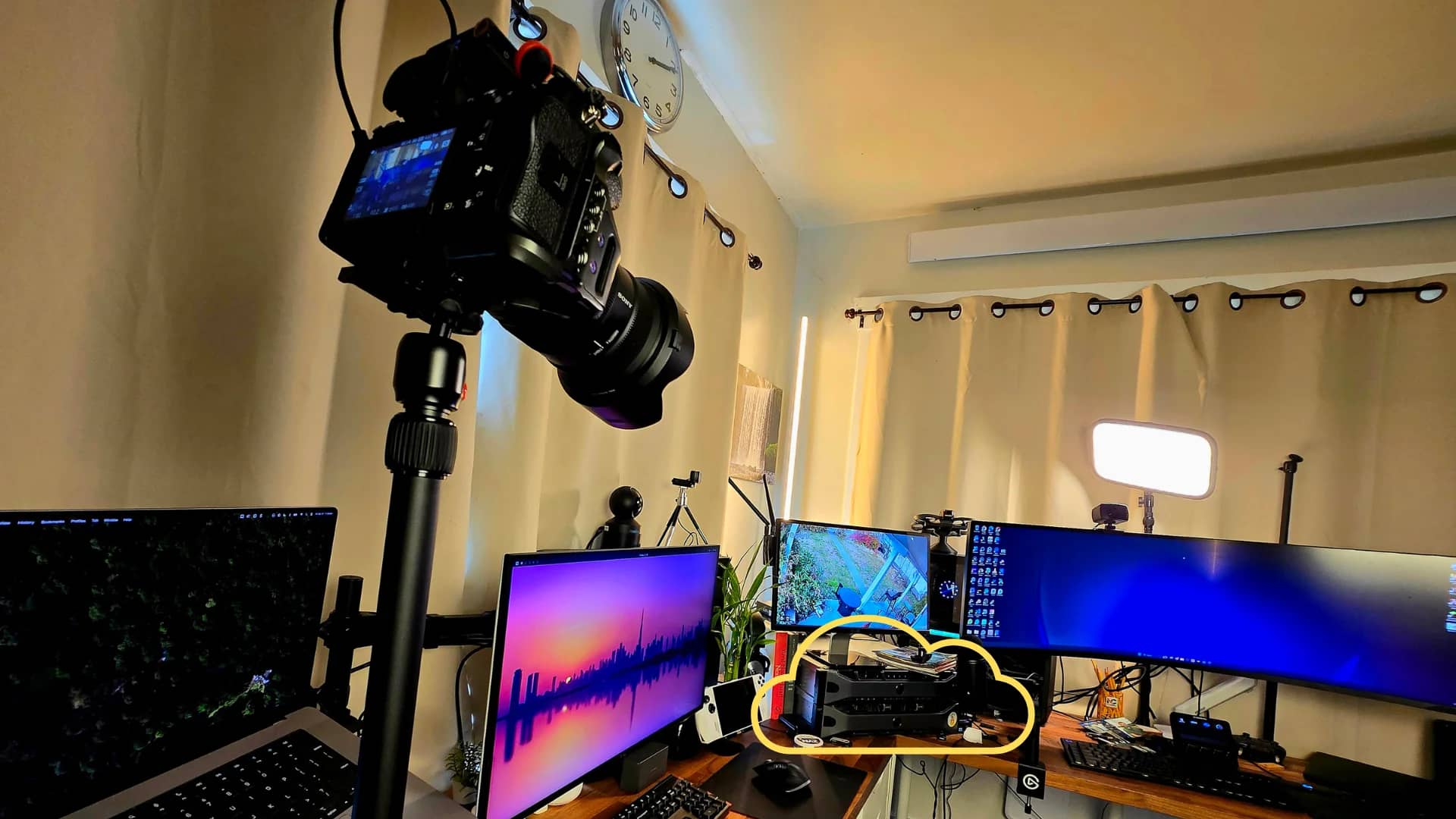
Three Dell PowerEdge servers, each with one job:
- T430: storage and media. The NAS, and a Quadro RTX 4000 that transcodes for Plex.
- R730: GPUs and inference. Two RTX A4000s for local model inference.
- R720xd: apps and CI. Self-hosted runners that build and test my repositories.
Prometheus reads them at home; the power figures come from each server's iDRAC, so the number on /lab is what the servers draw at the wall, right now.
Publishing without opening the house
The obvious way to show live numbers is to let the website ask the house for them. That means a door in the network, and a website that can knock on it. The lab works the other way round:
- Push, never pull. Two small programs at home, labsnap and threatsnap, write JSON documents to a private bucket on a timer. Nothing on the internet calls into the house for them.
- An allowlist, checked twice. Each document carries only the keys its producer's contract lists, and the producer validates it against a JSON Schema before it publishes. The site parses it again against its own mirror of that schema and refuses anything that does not fit; a value the producer could not read renders as a dash, never as a guess.
- Read-only, server side. The site's credentials can only read the bucket, and they never reach the browser.
- Cheap by construction. The documents are small (the live one is about a kilobyte), the site caches each for its own refresh window, and the edge cache answers most visitors. The whole lab costs next to nothing to serve.
- Honest about freshness. Every view shows how old its data is. When labsnap stops pushing,
the badge goes from
livetodelayedtoofflineon its own; nothing pretends.
The honeynet
A honeypot runs on a small cloud VM, deliberately off-site so that nothing it attracts ever touches the home network, and a set of decoy paths on dleer.ai catch the scanners that crawl every site. threatsnap pulls what they saw, sorts it into six kinds of attack (recon, brute force, web exploits, intrusion attempts, malware, AI agents) and publishes an anonymised summary through the same push-only path. No IP address is ever in the data or on a page.
Why it is on a portfolio
The work behind the other projects runs on this hardware: local inference on the R730, CI for the repositories on the R720xd. Showing it live, with the same care for what is published as for what is built, says more about how I work than a list of tools would.